Imagine flying a drone over a forest or lake, hoping to watch animals undisturbed. But instead, the flutter of blades triggers alertness, flight, or hidden retreats. That is a real challenge researchers face. To get true insights, drones must be quiet, subtle, respectful.
In the next sections, I’ll walk through what we know about how drones disturb wildlife, what design tricks help reduce that disturbance, examples (including marine mammals), and what’s still unknown.
Why animals react what catches their attention
Animals sense the world not with our ears or eyes, but in ways tuned to survival. A sudden noise overhead, a shape moving in the sky that may register as threat long before you see it.
A 2025 review of many studies showed that drone flight altitude, speed, proximity, and noise all affect how wildlife respond. Some species become hyperalert; others flee. The review also flagged that visual cues (shape, motion) matter, especially for birds.
Marine mammals, for example, are especially sensitive to sound. One study of seals in marine habitats tested different drones (DJI Phantom 4 Pro, Autel EVO II, etc.) at altitudes from 70 m down to 10 m. At lower altitudes, seals displayed increased vigilance, rest disturbance, or moved away. All drone models in that study emitted noise above seals’ hearing thresholds at close range.
There’s also a study on belugas (whales). Researchers reported that drones flown below about 23 meters (in some contexts) triggered evasive behavior sudden diving, shifts in movement. The team recommended maintaining altitudes of 25 m or more to reduce disturbance in beluga populations.
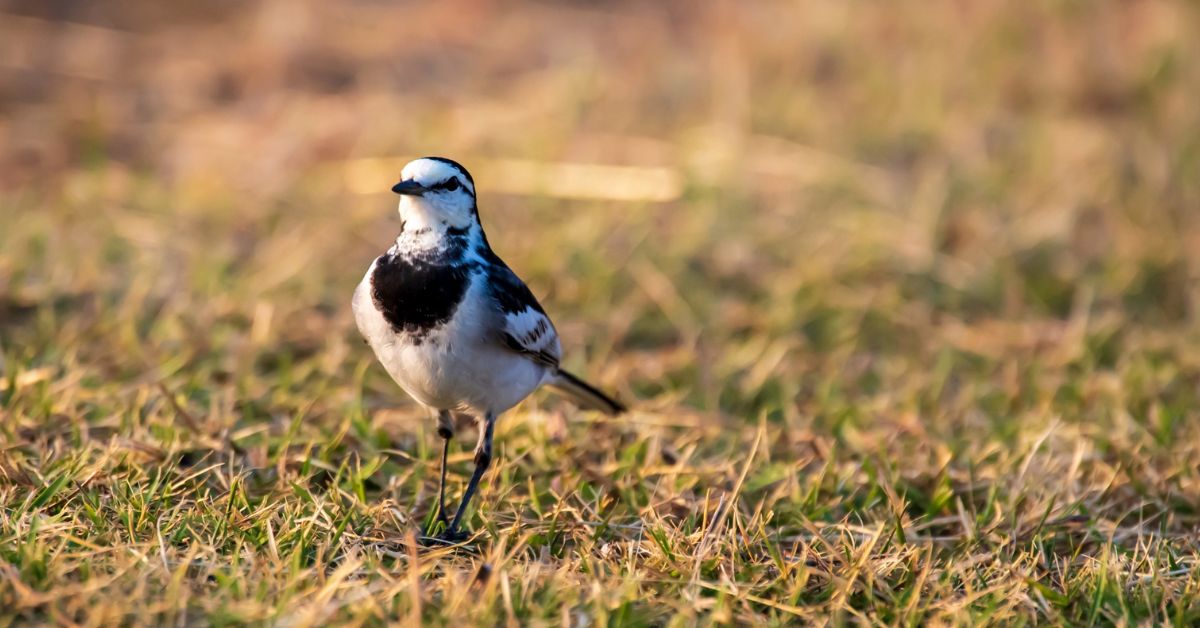
In terrestrial settings, fewer studies exist, but some data suggest animals like small mammals, birds, or nesting species may respond more strongly to drones when they descend too low, approach from above, or use sudden maneuvers. The MDPI review highlighted how many species show variation: some habituate over time, others don’t.
So disturbances come from sound, from shape, from approach style and the stage is set by altitude, speed, and drone design.
Design and flight strategies that help reduce disturbance
Knowing the problem, what can we do? Field teams and engineers are trying many ideas. Here are some of the better ones that seem to help.
1. Choose your flight altitude carefully
Start high. Move down slowly, watch for reactions. Some researchers use species’ hearing curves (audiograms) and drone noise models to pick altitudes where the drone’s noise stays under a disturbance threshold. That method helps balance data resolution with minimal stress.
In marine drone work, for cetaceans, a “lower altitude limit” of 25 m is often suggested going too low tends to trigger evasive responses.
2. Avoid hovering or vertical movement above animals
Hovering creates a concentrated noise footprint. Vertical descent triggers noise changes. Many teams plan flight paths that sweep across instead of pausing overhead. This reduces the time an animal is exposed to high noise.
One noise-study measured maneuvers (hover, turn, flyover). Hovering and vertical moves showed louder peaks than a smooth horizontal pass.
3. Use smaller, lighter drones when possible
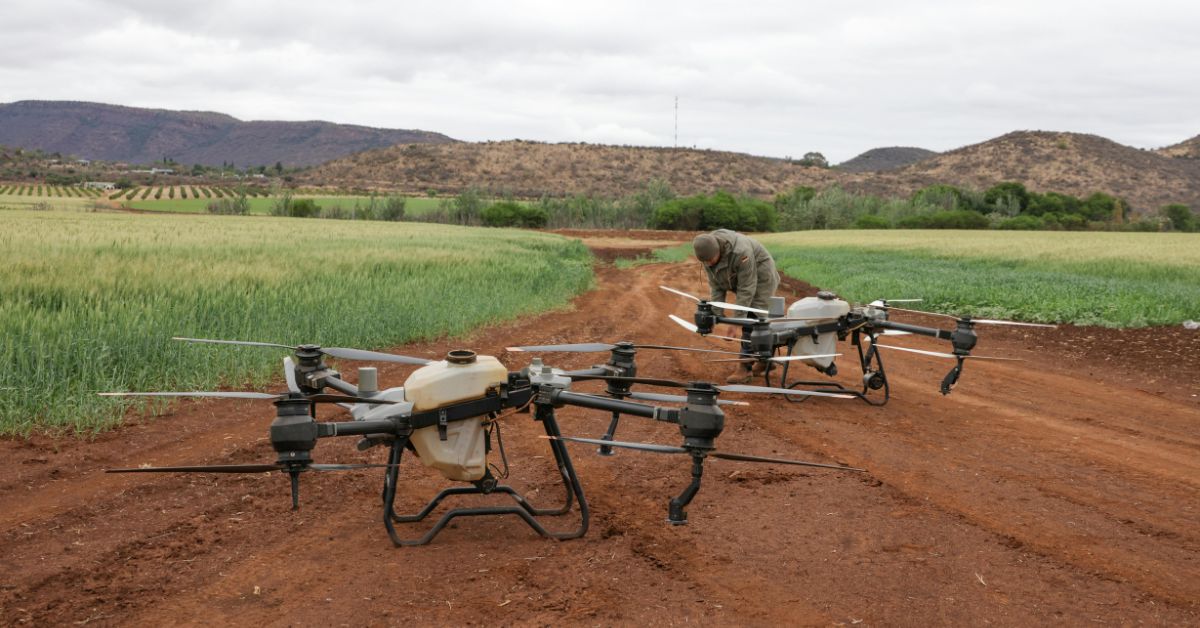
Smaller drones often produce lower noise for their load. A 2025 bat-acoustic study found that using a mini drone (249 g, DJI Mavic Mini) had no measurable impact on bat activity, while larger drones did cause disturbance.
The tradeoff: small drones carry less payload, shorter battery life, and are more sensitive to wind.
4. Design motors, blades, and frames with sound in mind
Blade design (shape, tip, material), motor smoothness, vibration damping, and isolating frame noise can reduce acoustic signature. Turbulence around arms or supports can amplify noise, so cleaner airflow helps. Some experiments use quieter propellers or edge treatments to cut audible noise.
Also, prop speed matters operating rotors at speeds that avoid strong resonant frequencies in the animal’s hearing band helps.
5. Match flight speed and approach patterns
Gentle speed, oblique angles, gradual approach these tend to provoke less reaction than abrupt, straight-down passes. Animals are less reactive if the drone seems “less threatening.” Some studies find that the “lawnmower approach” (straight passes) causes more disturbance than arcs or angled passes.
Real example: drones and cetaceans in Canada
In Canadian waters, protecting whales and marine mammals is critical. Researchers did 143 drone flights over beluga herds (with DJI Phantom 4 / Phantom 4 Pro) and assessed how altitude, speed, and approach angle influenced responses. They recommended that flights avoid going below 25 m.
But there’s a twist. Canadian marine mammal regulations sometimes require much higher buffer zones: for example, drone operations must stay above 1000 feet (~304 m) and maintain distance from marine mammals within a half nautical mile (~926 m). These rules guard against disturbance even beyond what immediate behavior studies suggest.
So designers must integrate regulatory constraints with physiological and behavioral thresholds.
A Quiet Future in Sight
Designing drones that animals barely notice may seem like a small technical goal. But in practice, it matters a lot. If our tools start affecting behavior, our data becomes less reliable, and we risk doing harm while trying to help.
We’ve already seen clues that altitude, speed, flight patterns, drone form, and even blade design can reduce disturbance. Some studies show that hovering or vertical descent provoke stronger reactions, while smooth passes provoke less. ([Drone noise differs by flight maneuver] ) Others propose methods to choose flight heights based on species’ hearing sensitivity (“audiogram-based altitudes”). (Determination of optimal flight altitude)
But real-world conditions complicate things: wind, vegetation, terrain, species mix, and repeated exposures all affect outcomes. Still, designers, field ecologists, and regulators are increasingly testing quieter designs and gentler flight protocols. The goal: surveys that reveal nature without rattling it.
If you care about wildlife, tech, or conservation, here’s one thought to hold onto: how quietly we observe matters nearly as much as what we observe. As drones and sensors improve, we have a chance to watch nature without disturbing it and that kind of observation might be one of the most respectful ways to protect what we love.