The question on many minds these days is whether the signs are all pointing to a dying natural world or if, instead, they show us learning to save it. It’s hard to ignore the evidence: science warns we’re deep into a biodiversity crisis. A UN science statement bluntly notes that “global biodiversity is rapidly declining,” with over a million species now threatened with extinction. This paints a scary picture. At the same time, however, people are working hard to protect ecosystems. Maybe it’s not so black-and-white. In other words, yes, nature faces big threats but we’re also figuring out how to push back.
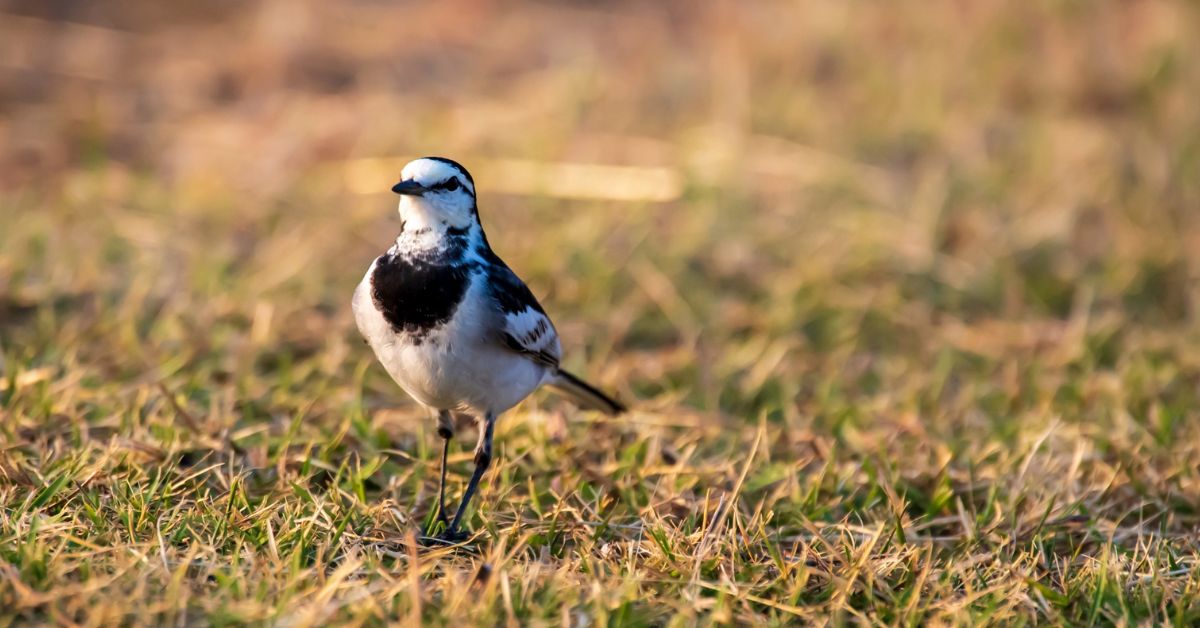
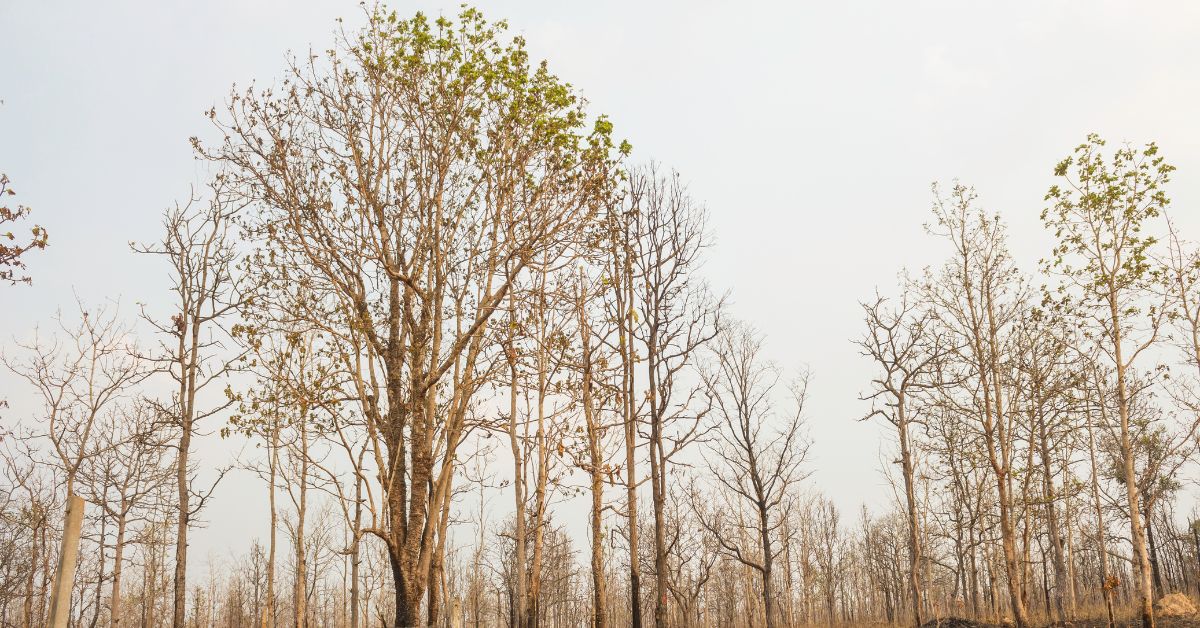
Over the past century, nature has lost ground at an unprecedented rate. In fact, experts say the average abundance of native species in most habitats has fallen by at least 20% since 1900. More than 41,000 species worldwide are now listed as threatened (about 41% of amphibians, 27% of mammals, etc.). Natural ecosystems have shrunk drastically too: around half of coral reefs are gone, three-quarters of land is heavily altered, and the last 30 years alone have seen 420 million hectares of forest cut down. All this means clean air, water, and the services nature provides for humanity are in peril. Climate change, pollution, habitat loss and other drivers are squeezing species to the brink. It truly feels like history is speeding up calling this the fastest biodiversity drop in human history is no exaggeration.
In Canada, the news can be even more sobering. WWF-Canada’s 2025 Living Planet Report finds that over half the wildlife populations monitored are in decline. It’s the worst picture yet of Canadian wildlife loss. For example, bird, fish, mammal and amphibian groups all “are trending in the wrong direction”. Grassland species have been hit hardest: their numbers are down 62% on average since 1970. Forest mammals are also suffering (a 42% drop), and creatures already on the IUCN Red List fell by ~43% on average. Even iconic animals aren’t spared bats, caribou, snowy owls and others are crashing well below healthy levels. All this decline comes at a time when, ironically, “governments across Canada are prioritizing rapid development while loosening regulations that protect nature”. In short: nature is in trouble here and now.
On the policy side, Canada has recognized the crisis. The federal 2030 Nature Strategy is blunt: “Biodiversity is declining faster than at any time in human history. When we lose biodiversity, we jeopardize…clean air and water, food security, pollination,” and more. The plan calls this a “great challenge of our time” and urges everyone to work together to halt and reverse losses. Indigenous leaders note that habitat decline threatens treaty rights and traditional ways of life. So, officially, Canadians know we face a real problem and there’s a push (admittedly late) to do something about it.
But amid all these gloomy stats, there are glimmers of hope. Conservation efforts have saved several species from extinction already, showing that declines can be fought. Consider North America’s black-footed ferret: once declared extinct in the 1970s, a captive breeding program has returned around 300 of these rare weasels to the wild. It’s still fragile scientists say a recovered population would be ~3,000 but it’s a massive turnaround from nothing. And this isn’t a one-off. In Africa, aggressive anti-poaching and habitat programs have boosted Namibia’s black rhinos so successfully that a once-struggling subspecies went from “vulnerable” to “near-threatened” on the IUCN Red List. Whales offer another success story: humpback whales globally are climbing back after whaling; in some regions they’re 50% more numerous than before humans hunted them. Mountain gorillas, once thought doomed, have also edged up in number (roughly 459 today, from around 400 in 2011) thanks to strict protections. In short, where people have intervened strongly, species can rebound.
Wildlife isn’t out of the woods yet, but some once-perilous species are showing remarkable recovery. For instance, “concerted efforts…have given black-footed ferrets a second chance for survival”. Elsewhere, scientists have finally glimpsed wild narwhals hunting (stunning fish with their tusks!) thanks to new tools, and found snow leopard populations stable in parts of Mongolia. Even in Canada we see positive local results. Parks Canada and volunteers have carefully restored habitats so that turtles and butterflies return. At Georgian Bay Islands National Park, for example, removing an old retaining wall and planting native vegetation turned a bare shoreline into turtle nesting grounds and monarch butterfly habitat. Staff describe it as a “conservation win” when they spotted basking northern map turtles and butterflies on the new milkweed plants. Those kinds of projects even if smal expand the living space for wildlife, giving at-risk species a fighting chance.
Grasslands National Park is another example. Once worn-out by farming and invasive species, it’s being actively restored for rare prairie species. Biologists there manage a growing bison herd, seed native grasses, and use controlled burns all to bring back creatures like swift foxes, burrowing owls, and sage grouse. They’ve even removed or marked fences so animals don’t crash into them. The effect is tangible: planted sagebrush is taking hold, bison herds are stable, and native plants are recovering. Meanwhile groups like Wildlife Preservation Canada report big wins in recent years. In 2023 they had a “best bumble bee season on record,” breeding 131 queens of an endangered yellow-banded bumble bee (previous high was just 3 the year before). They also raised and released 212 Western painted turtles in BC over three times the number from 2022 and watched these turtles build 36 nests in the wild. It’s evidence that diligent habitat work and species programs do yield results.
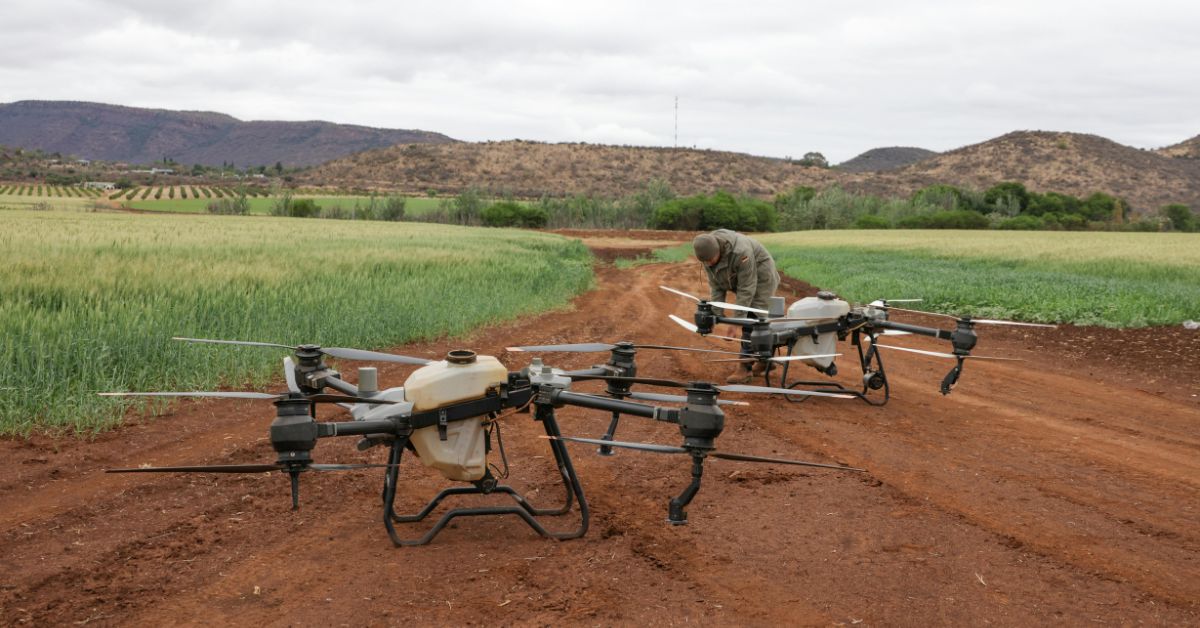
Technology and science are powerful new tools in this effort too. Drones, AI and genetics are not just buzzwords they’re changing how we understand and protect wildlife. Conservationists worldwide now use UAVs (drones) to survey forests, coasts, and even polar regions with minimal disturbance. For instance, WWF-Canada’s Arctic team used drones to capture unprecedented footage of narwhals feeding revealing behaviors no boat-based researcher had ever seen. In Nunavut, drones have likewise been used to photograph and measure bowhead whales from above, helping catalog individuals and track population changes year to year. Back on land, Transport Canada highlights that researchers can count eggs and chicks in bird nests via drone, avoiding risky climbs up trees saving stress for both wildlife and biologists. The payoff is clear: drones gather data fast and cheap. Startups like Aerowild Tech in Canada are taking this further, designing rugged all-terrain drones with thermal cameras and AI to scan wildlife across air, water and ground. According to their studies, drone surveys can be up to 90% more accurate than old methods and cut monitoring costs by a third or more. In other words, such tools let us watch wildlife closely without scaring them or burning fuel.
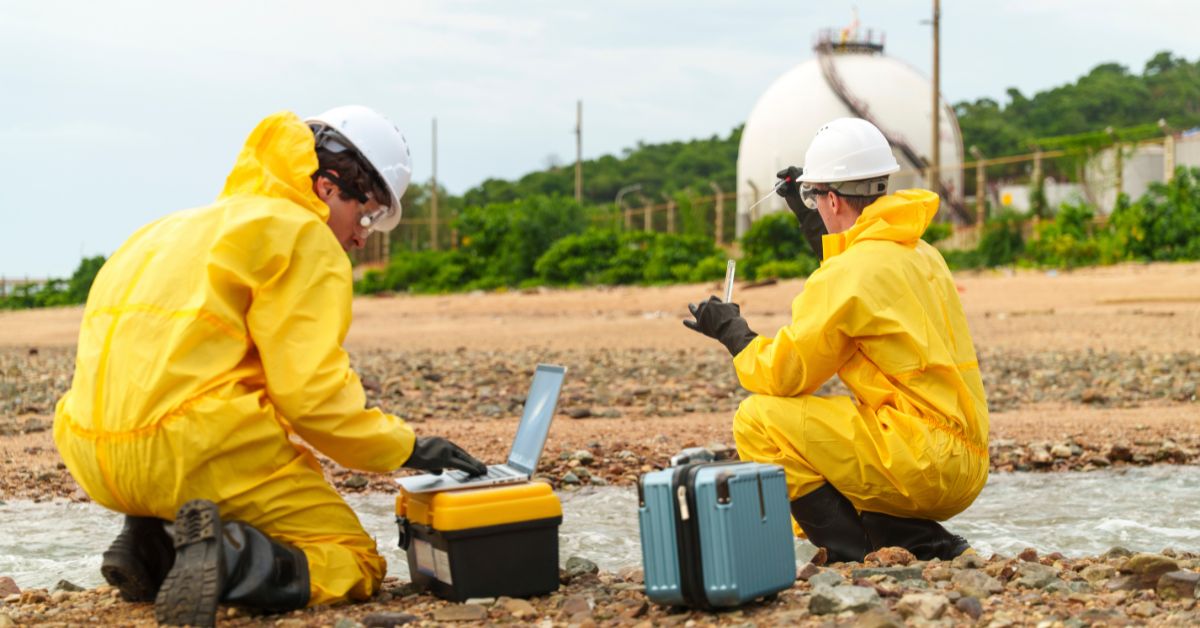
Even simple tech like camera traps, satellite tracking and genetic analysis (eDNA in water) are lighting the way. They help reveal hidden populations and migration routes. Citizens play a role too: smartphone apps let birders log sightings, volunteers tag turtles, and community groups plant pollinator gardens. Ordinary Canadians are part of the solution, whether it’s by reporting wildlife data or volunteering in a local park.
Finally, everyone can do something on a personal level. Small steps add up. Experts recommend actions like cutting waste and using less energy, which eases pressure on ecosystems. Simple habits the classic “reduce, reuse, recycle” really help take junk out of nature. Volunteering for a neighborhood tree-planting or shoreline cleanup can make a real difference. Plant a native tree or flower garden and you’ll feed birds and bees and improve the air. If you can bike or walk instead of driving, that also cuts pollution. Supporting conservation groups or parks with a donation (or even just sharing their news) pushes the needle too. In short, working with nature at even a local level contributes to the bigger goal.
What You Can Do:
- Reduce your footprint. Cut down on single-use plastics, recycle, and conserve water at home. Every bit less waste is one less problem for ecosystems.
- Engage locally. Join a citizen science project or volunteer at a nature reserve. Local cleanup and tree-planting events help clean and expand habitats for wildlife.
- Create habitat. Plant native species in your yard or community garden. Trees and wildflowers provide food, oxygen and shelter for insects and birds.
- Support wildlife protection. Donate to or volunteer with organizations that are pulling off those conservation “wins”. Write to your local representatives to back nature-friendly policies. Make your voice count.
So, back to our starting question: are we just spectators to nature’s decline, or are we actually learning to protect it? The answer is, in a way, both. The stark truth is, yes, many ecosystems and species are still in decline. We’re losing habitats and species at an alarming clip, and it’s obvious more action is needed. But it’s equally true that we’re not completely helpless. Around the globe, and right here in Canada, there are places and species where conservation efforts are paying off. New technologies make monitoring and protecting wildlife smarter and cheaper. And people (from scientists to citizens) are more aware and engaged than ever before.
In nature there are no guarantees. We might be past the point of saving every fish, bird or bug that’s been lost, but it’s not all doom, either. As WWF Canada warns, this crisis “is nature’s warning light, and it’s telling us wildlife and their habitats are threatened” but importantly, “it’s telling us…there’s an opportunity to turn things around before it’s too late”. The window is closing, but the door isn’t fully shut yet. If more of us choose to act whether that’s supporting habitat restoration, pushing for better policies, or just changing our daily habits we still can shape what comes next. In that sense, watching nature doesn’t have to be a passive death watch. With enough awareness and effort, we can learn how to protect it. And that hope is something worth banking on.