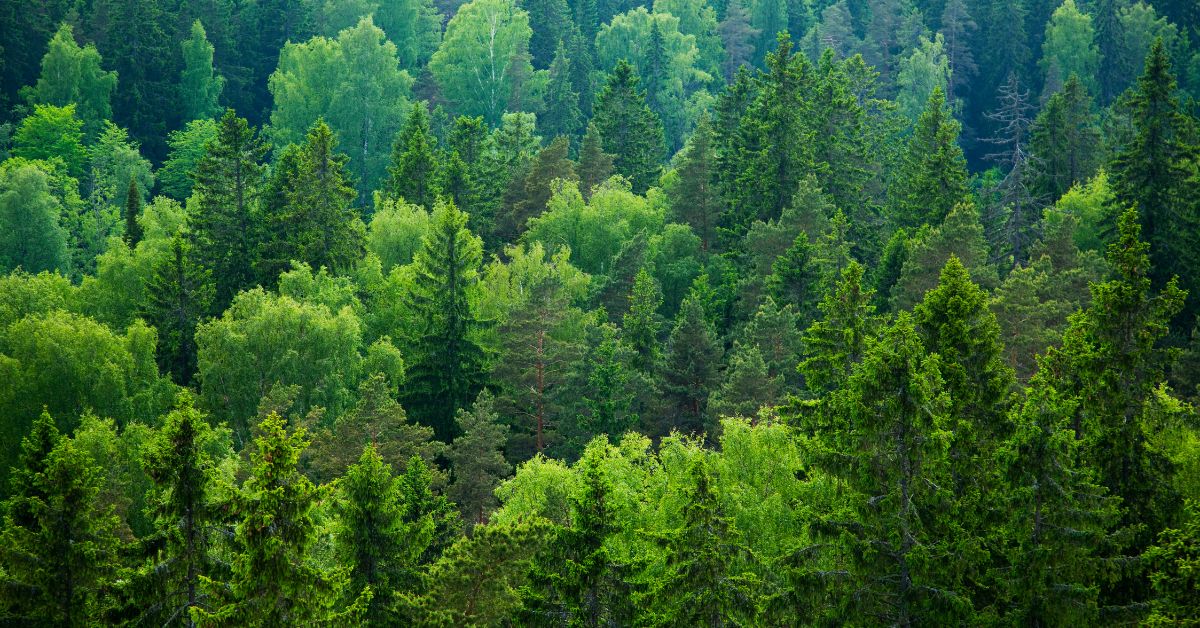
Picture walking through an old growth forest and suddenly being able to hear what the trees have to say. It might sound like a fantasy, but recent innovations are making it feel surprisingly real. In one remarkable experiment, a 50 year old oak tree actually replied to a question from a human thanks to sensors and AI acting as its voice. “Your care warms me… More stable temperatures and consistent moisture would help. Thank you for asking,” the oak told the mayor of Austin. That wasn’t magic or folklore; it was a glimpse into how data can let nature “speak” to us in human terms. This kind of exchange hints at a bigger story: our forests are full of information, and we’re learning how to listen.
How Can a Forest ‘Talk’?
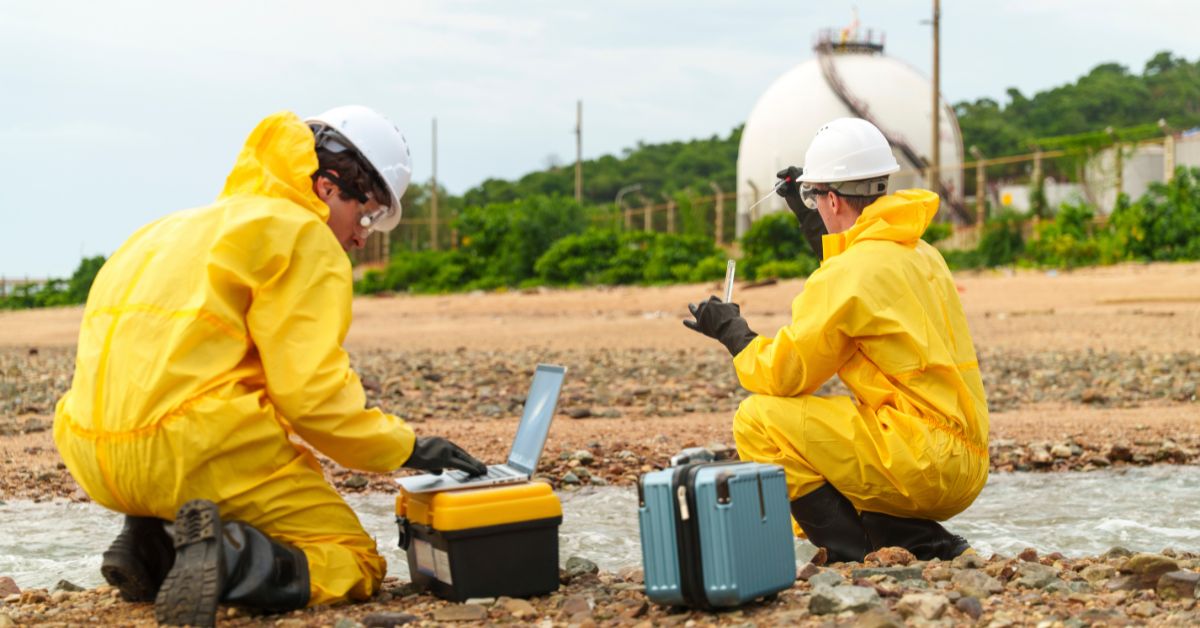
A forest doesn’t speak in words, of course. It communicates through data subtle signals and changes that technology can pick up. Think of things like the electrical signals in a tree’s trunk, the moisture level in soil, the temperature under the canopy, or the sounds of birds and insects. All these are part of the forest’s own language. We’ve begun using devices to translate those natural signals into human-readable insights. Tiny wireless sensors can now be attached to trees or placed in the ground to monitor conditions. These sensors send a steady stream of readings: how much sap is flowing, how damp the soil is, or how the tree’s diameter expands and contracts through the day. When these streams are analyzed, it’s as if the forest is telling us what’s happening inside it.
It isn’t just one-way communication anymore. We ask questions by setting up sensors or cameras, and the forest “answers” with data. Unobtrusive monitors can check a tree’s health indicators continuously. For example, at the Chelsea Flower Show in the UK, an “Intelligent Garden” placed sensors on a dozen trees to measure their health metrics (moisture, acidity, growth rate, and more). Those numbers were then translated into plain English responses by an AI system. A curious visitor could pull out their phone, ask “How are you feeling today?” and get a friendly status update from the Black Birch or oak in front of them. It’s a gentle conversation, but one rooted in hard data coming straight from the trees.
A sensor device attached to a birch tree trunk (part of the “Intelligent Garden” exhibit) allowed the tree to communicate its status to visitors. The small gadget collected data on the tree’s moisture, temperature, and other factors, and an AI system converted those readings into text updates that people could easily understand. It’s a striking example of how technology can give nature a voice.
When Data Becomes the Forest’s Voice: Key Examples
So, what kinds of things does a “talking” forest actually say? In practice, it can share alerts and updates about its well-being. Here are some real ways that forests and trees are “speaking” through data:
- Stress Signals and Tree Health: Plants can be surprisingly vocal when under stress not with sound we can hear, but through measurable signals. Scientists recently discovered that drought-stressed trees emit ultrasonic clicks, almost like tiny cries for help, that can be recorded with special equipment. Building on findings like this, innovators have created devices that work like a tree’s heartbeat monitor. One example is the TreeTag sensor from the start-up ePlant. It straps onto a trunk and detects subtle changes in the tree’s “pulse” the ebb and flow of water inside the wood as the tree reacts to heat, light, and moisture. If the tree is thirsty or heat-stressed, its water flow patterns change, and the sensor captures that. The tree lets us know it needs a drink long before its leaves start turning brown.
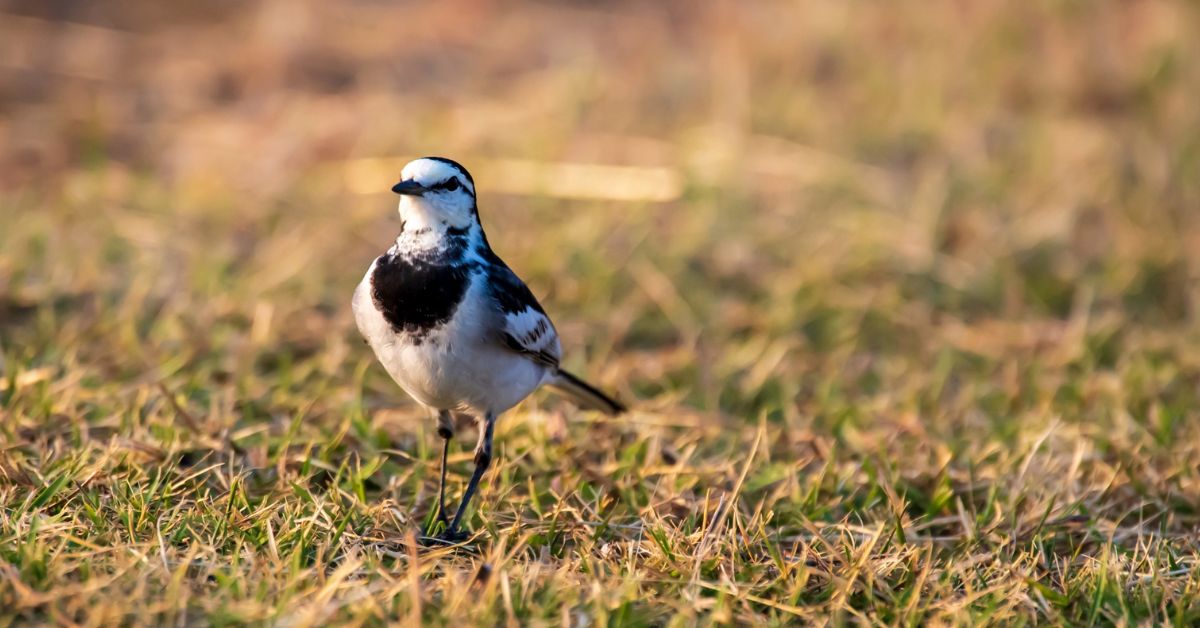
- Wildlife and Acoustic Chats: A healthy forest is usually a noisy place chirping birds, croaking frogs, rustling mammals. Those natural sounds are data too. By listening to the chorus of the forest with acoustic sensors, researchers can learn which species are around and gauge their level of activity. A quiet patch might indicate wildlife has fled or declined; an area that suddenly comes alive at night could mean a migrating species arrived. In dense Canadian woodlands, for instance, automated audio recorders can pick up the call of an endangered bird that human observers might miss. This way the forest “tells” us about its inhabitants. Global projects are taking this further. The Rainforest Connection initiative has hung listening devices with solar panels in treetops around the world. It has collected over 139 million minutes of nature’s sounds and helped identify more than 3,800 species by their calls so far. In some locations, these listening posts even catch the sounds of illegal logging – like chainsaws or trucks – and send real-time alerts to rangers to intervene. The forest, through a network of phones and sensors, literally raises an alarm when it’s under attack.
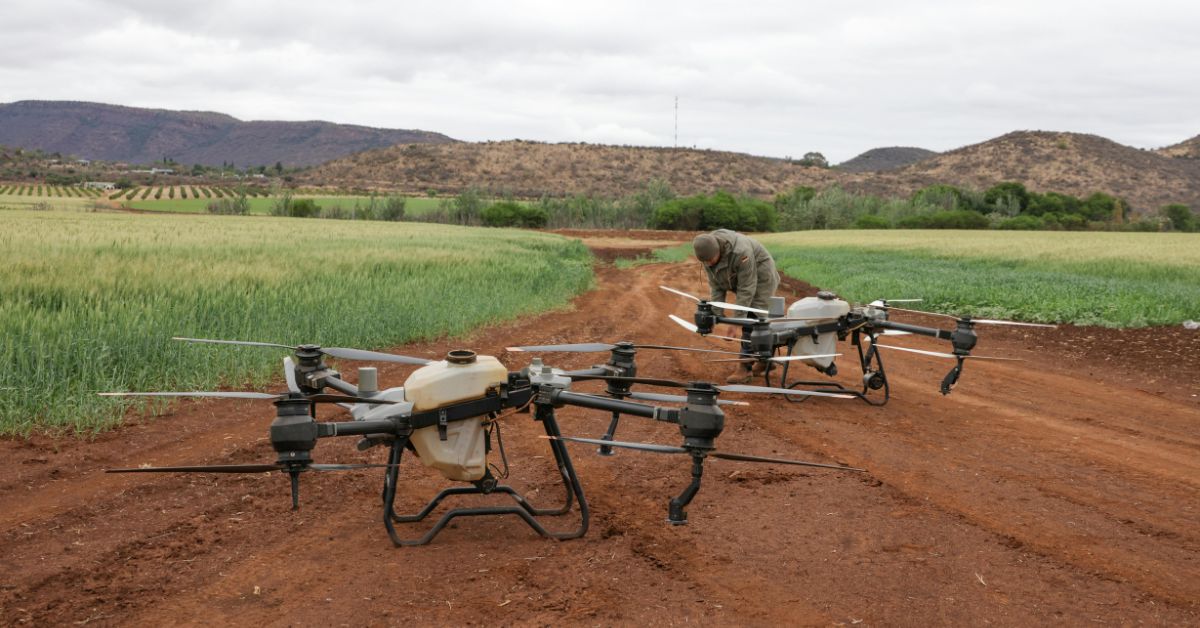
- Eyes in the Sky: Not all forest data comes from the ground. Drones and satellites act like the forest’s eyes, letting it show us the bigger picture. In Canada’s vast boreal forests, it’s impossible to physically keep track of everything. But drones buzzing quietly above the treetops can scan for changes say, a patch of trees suddenly losing leaves (which might signal disease or pest infestation) or new clearings that weren’t there last month. These flying data-collectors have become so advanced that counting wildlife populations from above is now more accurate than traditional headcounts by human teams. By capturing thermal images and high-resolution video, a drone survey can spot far more animals from above and do it faster. One Canadian conservation tech company, Aerowild Tech, found that using drones with infrared and HD cameras delivered wildlife counts up to 96% more accurate than traditional headcounts on foot. At the same time, the aerial approach cut monitoring costs roughly in half, since there’s no need for fuel guzzling helicopters or weeks of fieldwork. In this way, the forest “speaks” through imagery and sensor readings collected overhead, showing us where creatures are roaming and how the habitat is changing over time.
- Early Warning Systems: Perhaps the most urgent messages a forest can give us are warnings about fire and climate stress. If a forest is extremely dry, that’s a critical piece of data it might be on the verge of a wildfire. New ultra early warning sensor networks are being woven through fire prone forests to catch these signals. Tiny IoT sensors, like those from Dryad Networks, sniff the air for the faintest hint of smoke or a sudden jump in temperature. Together, these sensors form a wireless mesh in the woods, pinging each other and a central system if something’s not right. Instead of a fire lookout spotting distant smoke plumes hours later, the forest’s own sensors can yell “Fire!” within minutes of ignition. This year, several Canadian regions began testing such sensor networks to help human firefighters respond faster. On the climate front, trees also “report” their growth and carbon storage through data. Satellites measure how green and dense the canopy is; ground sensors track how quickly trees are absorbing CO2. When conditions shift maybe a series of hot droughts slows tree growth those metrics are the forest indicating distress. It’s as if the land is saying, “I’m losing vigor, something’s wrong.” By catching these early warnings, we get the chance to step in with solutions (like controlled burns to prevent mega-fires or targeted conservation efforts for ailing areas) before it’s too late.
Why This Matters for Canada’s Forests
Canada is home to some of the world’s most extensive forests, from the sprawling boreal woods to coastal rainforests. These ecosystems are immensely valuable storing carbon, sheltering wildlife, and holding deep cultural importance, particularly for Indigenous communities. But these forests face growing pressure. Wildlife populations in Canadian forests have been declining, and that’s not just anecdotal. Data tells the story: monitored vertebrate species across Canada have dropped about 10% on average since 1970, and forest mammals in particular have seen a steep 42% decline in numbers over five decades. When so many creatures quietly vanish, the forest itself grows silent a dangerous silence that signals imbalance.
By letting the forest “talk” back, we stand a better chance of noticing problems in time to act. It’s like finally tuning in to a conversation that’s been going on in whispers for centuries. For example, if sensors in a British Columbia forest report unusually dry soil and trees under drought stress, forest managers can decide to temporarily close logging roads or ban campfires before a spark ignites an inferno. If acoustic monitors in Ontario suddenly stop hearing a certain frog species at a wetland, scientists know to investigate if pollution or disease is emerging there. And when a healthy forest does well, the data sings too steady growth, normal wildlife chatter, balanced moisture basically the forest saying “I’m okay.” That positive feedback is just as valuable, guiding us on what conservation practices are working.
It’s not all perfect. Technology isn’t a magic wand, and gadgets can fail or data can be misinterpreted. But even with those hiccups, more people are paying attention to the signals nature gives us. There’s a growing sense that listening to our forests is part of respecting them. Conservationists in Canada are increasingly teaming up with tech experts drone operators, software developers, AI specialists to keep an eye (and ear) on the woods. The goal is pretty down to earth: healthier forests, more reliable information, and fewer nasty surprises like catastrophic fires or sudden wildlife collapses.
When the Forest Speaks, Will We Listen?
The idea of a forest talking back through data is poetic, but it’s also pragmatic. We’re getting answers to questions we long asked in the dark. How healthy is our forest? Are our efforts to protect it making a difference? Now we have numbers and alerts that tell us, almost in real time. A forester in Alberta might wake up to a notification on her tablet that a remote sensor network detected smoke in a valley essentially the forest calling for help and she can mobilize a response within hours. Or park rangers might use a drone data dashboard to see which sections of a wildlife reserve haven’t had caribou sightings in months, prompting a closer look on the ground.
All this new information means we humans have to do something equally important: respond. If the forest is talking back, then listening is only step one; taking action is step two. The data might show inconvenient truths, like a beloved hiking area needing to be temporarily closed for regeneration after sensors show the ground is completely worn out. These decisions can be hard. But in a way, such decisions come from the forest’s own voice and it’s harder to ignore a forest that speaks up.
In the end, the promise of having forests “talk” through data is that it creates a closer partnership between people and nature. It feels a bit more like a dialogue than a monologue. The trees and wildlife can’t use words, but even without words, their needs become clear in other ways. Our job is to keep listening and to answer back with care and action. When the forests of Canada and beyond tell us their stories, whether it’s a whisper of data or a full-throated alarm, the most human thing we can do is listen and respond in kind.