Canada’s wildlands and waters teem with life from moose and maple trees to microscopic pond organisms. In fact, about 80,000 species are thought to inhabit Canada’s ecosystems. We have fairly good data on many familiar animals (bears, birds, trout) and plants, thanks to decades of field surveys and conservation programs. But the picture isn’t complete. As a government report notes, we “generally have more information on vertebrates… and we generally have less information on invertebrates,” even though the lesser-known groups make up most of Canada’s biodiversity. In other words, the creatures that often escape our notice tiny insects, slimy soil snails, deep-sea sponges, and even some common birds remain surprisingly understudied.
We do know that this patchy knowledge can hinder conservation. For example, the Proud Globelet snail (a tiny land snail in Ontario) is literally labeled an “understudied species”: its exact range in Canada is unclear, and critical details of its diet and biology are “unknown,” which could hamper efforts to protect it. Similarly, a recent survey of Canada’s freshwater life (rivers and lakes) found worrying gaps: nearly 38% of freshwater species had too little data to assess their status. Much of that data deficit is in lesser-known groups like freshwater insects and molluscs exactly the kinds of critters people rarely think about. In short, while we know a lot about some parts of Canada’s fauna and flora, huge blind spots remain.
The Known and the Missing
Scientists have catalogued tens of thousands of Canadian species about 50,534 in the latest “Wild Species” report and they’ve tracked how they’re doing (secure, vulnerable, endangered, etc.). That report makes it clear that our knowledge is extremely uneven. For birds, mammals, and fish, most species have been seen, photographed, and studied at least a little. Many plants and large fungi too have been surveyed (for example, more than 5,000 vascular plants in Canada have known ranges). But when you turn to insects, spiders, worms, and microscopic life, the data thin out: many of those species haven’t even been fully inventoried in Canada, let alone studied in the field. In fact, the Wild Species report notes that across the entire list, nearly 22,000 Canadian species had no rank because “lack of knowledge” prevented an assessment. Put another way, more than half of species in most taxonomic groups lack enough data for even a basic status check.
This gap shows up starkly in certain habitats. Freshwater ecosystems, for instance, are in trouble but poorly documented. A 2022 study found that only about 60% of Canada’s freshwater plants and animals have enough information to know if they are safe; 38% are simply too poorly known. (Freshwater invertebrates like aquatic insects and snails make up the biggest data gap.) And in Canada’s far north, the situation can be even worse. University of Windsor researchers reported that 10% of Arctic vertebrates (birds, fish, and mammals) have never been the subject of any published study. They even found dozens of species with zero papers in 30 years. Some Arctic fishes, for example, are so unstudied that they don’t even meet criteria to be listed on the IUCN Red List for endangered species meaning we might not even know if these animals are vanishing. In sum, while we can name many Canadian species, for a great many of them we know almost nothing beyond a name or museum specimen.
Why do these gaps persist? Part of it is simple scale: Canada is huge, and going everywhere on the map is hard and expensive. Remote forests, bogs, mountains and especially Arctic tundra are difficult to survey. Also, research tends to follow money and drama: charismatic wildlife like caribou or salmon draw attention (and funding), whereas a tiny ground beetle or a kelp forest worm does not. But the data tell the story: the Wild Species report highlights that invertebrates (insects, spiders, worms, etc.) – which make up the majority of Canadian life – are often the least known. A full 37% of insect and related groups in Canada could not be assessed in 2020 because “the conservation status could not be determined due to lack of knowledge”. Even among plants, many at-risk species have never been studied in detail. In short, there’s a steep taxonomic bias: we know lots about bigger animals and plants, and very little about the invertebrates and others that fill the niches in ecosystems.
Examples of Unknowns
Concrete examples help. Take the Proud Globelet snail mentioned above. It lives (or lived) in a small area of Windsor, Ontario, but it’s not even clear whether any still survive. The official recovery plan says that if any snails remain, their diet, life cycle, and threats from other invasive snails are all unknown. One point is painfully clear: “Knowledge on species distribution is limited and biology…are unknown,” which could make any protection plan ineffective. In effect, managers are flying blind on this creature: they don’t even know if live individuals exist. This kind of situation is not unique to one snail – many range-edge species (plants or animals at the edge of their territory in Canada) are understudied enough that managers worry they might already be gone without noticing.
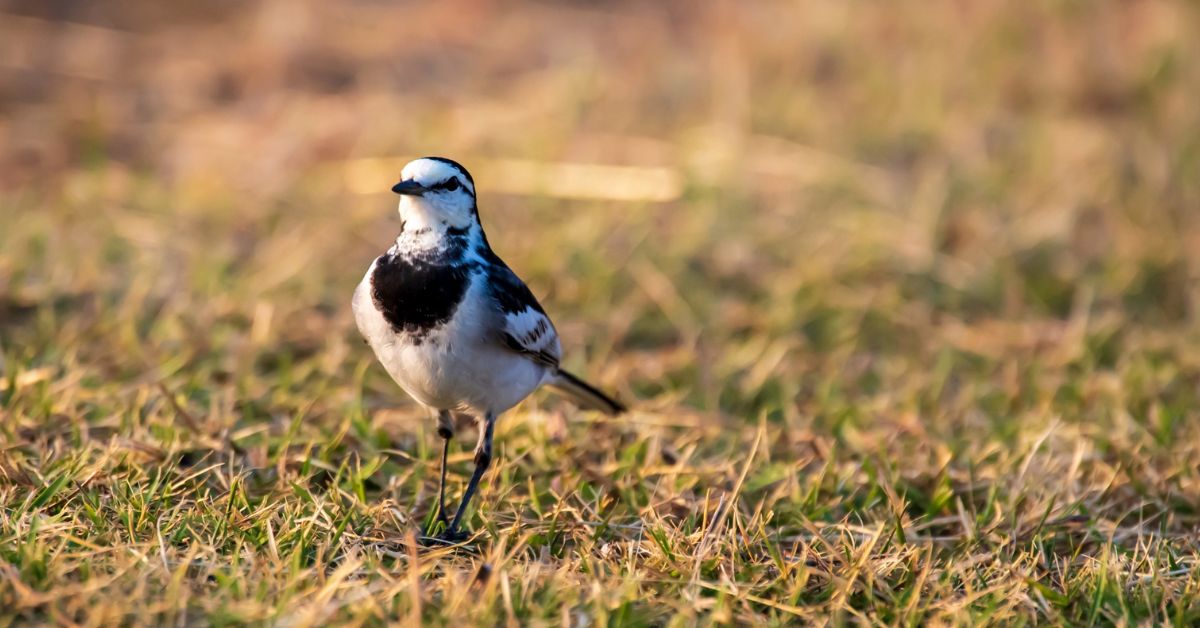
Another vivid case is nightjars a family of nocturnal insect-eating birds that includes Canada’s Common Nighthawk. Nightjars are so cryptic that volunteers are needed to count them at dusk in summer. As one Alberta birder’s blog points out, nightjars are “some of the most understudied species in Canada”. The Common Nighthawk is actually listed as Threatened federally, but it’s still hard to monitor because the birds are elusive and active only at twilight. WildResearch (a citizen-science group) runs national surveys now to even get baseline numbers. In other words, for these birds we know almost nothing about population trends only a suspicion that numbers may be dropping because people aren’t seeing them.
Marine and freshwater examples abound too. Many deep-water and Arctic fish (like certain cods and salmon relatives) have only been caught rarely by fishermen, and have few or no scientific studies. Biologists sometimes remark that there could easily be previously unknown marine creatures off our coasts, given how much ocean goes unexplored. Invertebrates like sea stars or sponges in Canada’s offshore reefs are rarely studied except where conservation labs happen to survey them. Even common forest insects, like certain moths or beetles, can be virtually undocumented. (For instance, Canada’s 2010 Wild Species report had to add thousands of insect species compared to 2005 once amateurs helped catalogue them.) In short, the “unknown” column on Canada’s biodiversity spreadsheet is shockingly large.
Why It Matters (and What We Can Do)
You might wonder: if these species are mostly small or obscure, does it really matter that we know so little? The answer is yes. Every species plays a role in its ecosystem even tiny ones. If we miss a piece of the puzzle, conservation actions can backfire. For instance, managers won’t know which habitats are vital for an understudied snail or insect, or whether climate change might wipe it out. As the Proud Globelet plan frankly says, ignorance may hinder the efficacy of any protection strategy. More broadly, national strategies (including Canada’s new 2030 Nature Strategy) emphasize that we must use the “best available science and knowledge” meaning we need more data, not less. The federal plan explicitly calls for “new insights” and “sharing information” to protect biodiversity. Put simply: filling in these gaps is a key part of meeting Canada’s conservation goals.
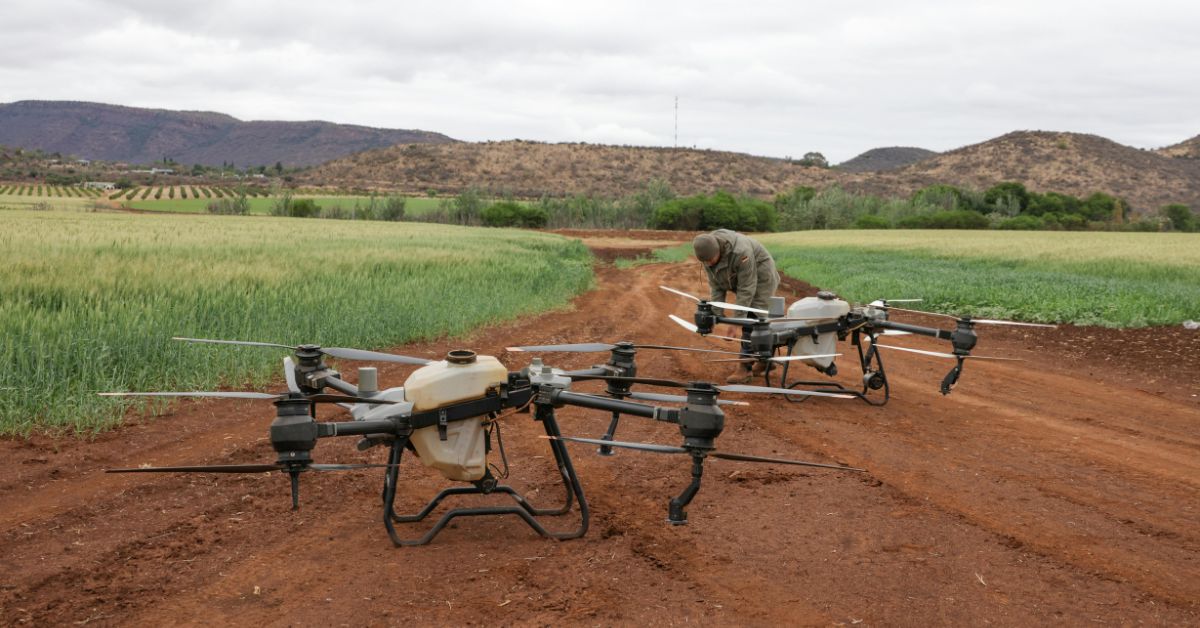
Fortunately, there are ways to chip away at the unknown. Some are traditional: more field surveys, more funding for taxonomy, more academic study. Others use new tools. For example, Aerowild Tech (a Canadian startup) is building specialized wildlife drones. These drones can fly, float on water, or even crawl on the ground with a suite of cameras and sensors including thermal imaging and night-vision. In practice this means a single drone platform could search for animals in the air, sea, or dense brush without stressing them. Real-time AI on board identifies animals from heat signatures or photos, giving biologists immediate data. The goal is “real-time monitoring, data collection and analysis with minimal environmental disturbance”. In plain terms: instead of sending a noisy helicopter or crawling blindly through brush, a drone can quietly survey large areas and flag rare species. Over time, such technology could revolutionize how we map and count hard-to-find species.
Citizen science and community monitoring also help. As the nightjar survey shows, ordinary people can collect data on understudied species if guided properly. Likewise, programs like eBird or iNaturalist often yield incidental records of obscure creatures (someone photographing an unusual mushroom or frog in the field can alert experts). Governments and NGOs are increasingly partnering with volunteers to cover more ground than researchers alone could. Integrating Indigenous knowledge is another avenue: local communities often know or notice species that outside scientists miss, especially in remote areas.
Putting it together, researchers suggest a multi-pronged approach. Key steps include:
- Advanced monitoring: Use drones, camera traps, environmental DNA (eDNA) from water/soil, and AI tools to detect species that elude traditional surveys.
- Expanded surveys: Systematic searches in understudied habitats (bogs, deep lakes, Arctic tundra) to document species presence and abundance. Citizen-science initiatives (like the WildResearch nightjar routes) can scale these efforts.
- Data sharing and collaboration: Pooling information across provinces and borders (for example, studying populations in the U.S. to infer data about Canadian fringes, as noted in some recovery plans).
- Funding and training: Investing in taxonomists and young scientists who can identify insects, snails, fungi and other “noncharismatic” life. Many experts warn that Canada needs more trained specialists in these areas.
- Policy support: Following the new 2030 Strategy’s call to use “best available science” means explicitly supporting research on data-deficient species and adapting conservation plans as knowledge grows.
Each of these steps is already underway to some extent in Canada. Universities are cataloguing Arctic biodiversity, NGOs are scanning ponds for rare amphibians, and even backyard naturalists contribute to species lists. The key is coordination. As one expert put it, we’re “going blindly ahead” with development in places like the Arctic because we simply “don’t know very much” about many species up there. By contrast, a more precautionary approach one that first gathers data could ensure that Canada’s wildlife isn’t altered beyond repair.
At the end of the day, Canada’s understudied species represent an unfinished story. We know enough to be concerned but not enough to be sure what to do. The good news is that awareness is growing. Agencies from coast to coast now recognize these knowledge gaps and are encouraging research. With new technology, community efforts, and a national push for evidence-based conservation, we’re finally starting to fill the pages of that blank chapter. In the meantime, each small discovery (a snail population found, a rare insect catalogued) is a reminder of how rich, and how little understood, our country’s natural heritage really is.