Monitoring endangered wildlife is essential for protecting species at risk, but how we monitor is just as important as why we monitor. Traditional field methods can inadvertently stress or harm the very animals we’re trying to save. This is where low-disturbance monitoring comes in. By using non-invasive techniques and advanced tools, conservationists can track wildlife populations without disrupting their natural behavior or habitat. In this comprehensive guide, we’ll explore why a low-impact approach to wildlife monitoring is crucial for species at risk, how it benefits conservation efforts, and what innovative technologies (like Aerowildtech’s drone systems) are making it possible.
Why We Need to Monitor Species at Risk
Conservation begins with understanding. Species at risk, whether classified as endangered, threatened, or of special concern, require careful monitoring so we know how they’re faring and what threats they face. Without good data on population trends, breeding success, and habitat use, we might miss signs of decline until it’s too late. Regular monitoring provides the “early warning system” that can trigger conservation actions (like habitat protection or breeding programs) before a species reaches the brink of extinction.
However, monitoring these vulnerable species isn’t easy. Many at-risk animals are elusive or live in remote areas. Others are sensitive to human presence, meaning traditional survey methods could disturb them. In Canada alone, there are nearly 80,000 known species of plants and animals, yet scientists admit we have big knowledge gaps for thousands of them, from tiny snails to deep-sea sponges. We simply don’t know enough about many species to effectively protect them. (For a deeper dive into this data gap, see our post on what we know and don’t about Canada’s understudied species). This lack of information is exactly why improving monitoring is so important. We need better data on where species at risk are, how their populations are changing, and what challenges they face.
Crucially, we must gather this data in a way that doesn’t put additional stress on the animals. After all, the goal is to help species recover, not inadvertently push them closer to extinction. This balance between learning about wildlife and not harming it is at the heart of low-disturbance monitoring.
The Hidden Costs of Disturbing Wildlife
Traditional wildlife monitoring techniques often involve a level of intrusion that can harm animals or alter their behavior. For example, biologists have long used methods like capturing and tagging animals, tracking via collars, or approaching nests to count eggs or young. These techniques have yielded valuable insights, but they come with hidden costs:
Stress and Behavioral Changes: Human presence can be very stressful to wild animals. Many species perceive us as predators. If researchers get too close, animals may panic, flee their shelter, or abandon their nests. Birds, for instance, can abandon their nests if disturbed, leaving eggs or hatchlings doomed. Even less obvious disturbances, like repeatedly visiting a nesting area, can leave scent trails or paths that predators follow to the nest. In mammals, frequent human contact or capture can disrupt feeding and social patterns, or cause animals to avoid areas they would normally use.
Physical Harm and Lower Reproductive Success: Invasive monitoring methods (like trapping animals to fit a collar or implant a tag) carry risks of injury. The process of capture and handling can lead to injuries, increased heart rates, and even mortality in extreme cases. Studies have documented reduced fertility rates and smaller litter sizes in animals subject to repeated captures or device attachments. The stress of handling and carrying a device can alter an animal’s hormone levels and behavior long after the researchers have left.
Skewed or Unreliable Data: Ironically, disturbing wildlife too much can undermine the very purpose of monitoring. If animals are behaving abnormally due to stress or avoiding their usual habitat because of human presence, the data we collect won’t reflect their true natural state. In fact, invasive monitoring techniques, anything involving capture, handling, or tagging, can alter an animal’s behavior and even survival so much that the data collected may not be representative or reliable. In other words, when a creature is stressed or injured by monitoring, it might move differently, stop feeding or breeding normally, or hide from observers, and our counts and observations become misleading. This raises the risk of making flawed conservation decisions based on distorted data.
Ethical and Legal Implications: Beyond scientific concerns, there’s an ethical issue: we have a responsibility to minimize harm when studying endangered creatures. In many jurisdictions, it’s not just good practice but the law. For example, legislation in Canada prohibits harming or harassing species at risk or disturbing their habitat. Wildlife agencies and research permitting bodies often require assurance that any monitoring will not unduly disturb the animals. Failing to do so could not only hurt the species but also violate legal protections. This is why conservation projects today put a big emphasis on animal welfare and low-impact techniques during research.
The bottom line is that old-school, high-disturbance survey methods can be a double-edged sword. They might give us data in the short term, but at the cost of long-term harm or misleading information. Recognizing these pitfalls has led wildlife scientists to seek a better way: monitoring that leaves a minimal footprint on animal behavior and well-being.
What Is Low-Disturbance Monitoring?
Low-disturbance monitoring (also known as non-invasive or minimal-impact monitoring) refers to techniques of observing and tracking wildlife that avoid direct contact and minimize any disturbance to the animals and their habitat. The goal is to gather all the information we need without the animals ever really noticing, so they continue their normal activities undisturbed.
In practical terms, low-disturbance monitoring favors tools and methods that keep researchers at a distance. Instead of chasing animals or attaching devices to them, scientists might use remote technologies or passive observation methods. A few examples include:
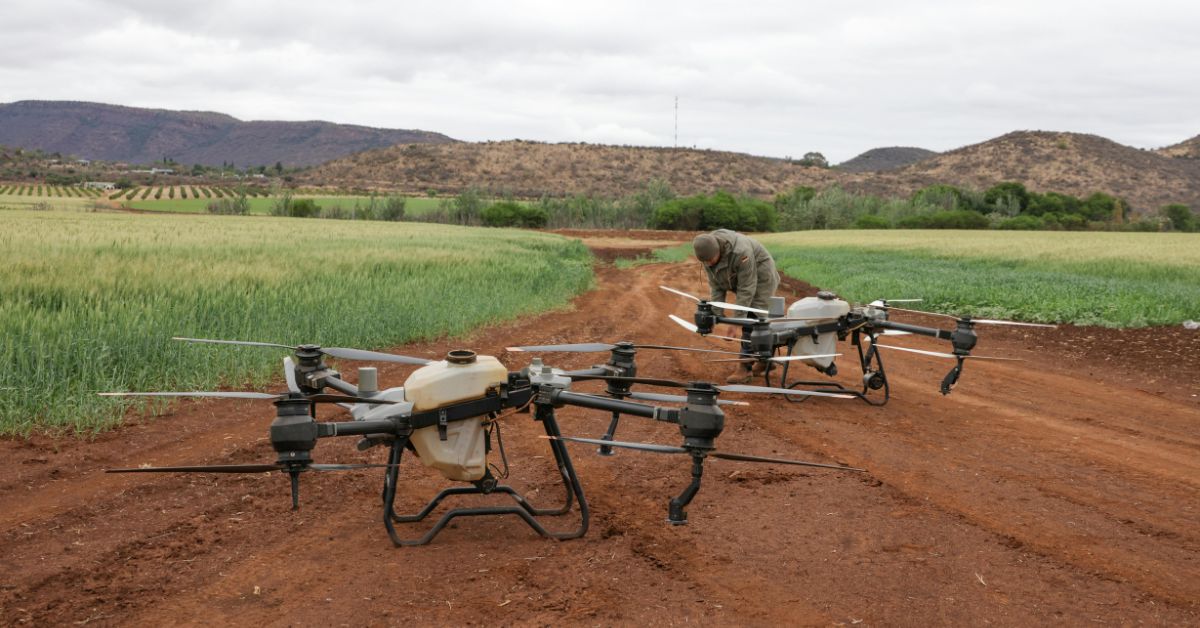
Aerial drones at safe distances: Drones equipped with cameras or thermal sensors can fly over wildlife areas to count animals or observe behavior from above. When designed and operated correctly (quiet rotors, flying high enough, avoiding sudden moves), drones can watch animals without spooking them. For instance, Aerowildtech’s drones use thermal imaging to detect animals from afar, often at night or in dense cover, so wildlife doesn’t even realize it’s being monitored. (This concept of designing drones that don’t scare the animals is central to Aerowildtech’s technology strategy.) Drones also replace noisy helicopters or planes. A drone’s small electric motors are far quieter and produce no exhaust fumes on-site, greatly reducing the disturbance to both animals and their habitat.
Camera traps and remote video: These are motion-activated cameras placed in the wild that automatically take photos or videos when an animal passes by. Because camera traps don’t require a person to be present, animals go about their business naturally. They can capture candid moments of elusive creatures, from nocturnal foragers to shy big cats, without any human nearby. Camera traps have been used to document rare species and are considered a low disturbance monitoring method since they “watch” continuously with zero human presence.
Passive acoustic monitoring: Many animals are heard more often than seen. Devices like digital audio recorders can be left in an area to capture the sounds of wildlife: bird songs, frog calls, bat echolocation chirps, etc. This is a powerful non-invasive way to detect species, especially for birds or amphibians that might call from hidden spots. Acoustic monitors have essentially no impact on wildlife; a frog doesn’t mind if a small recorder is listening nearby. Over time, these recordings can reveal population trends (e.g. how the chorus of an endangered frog species grows or shrinks year to year).
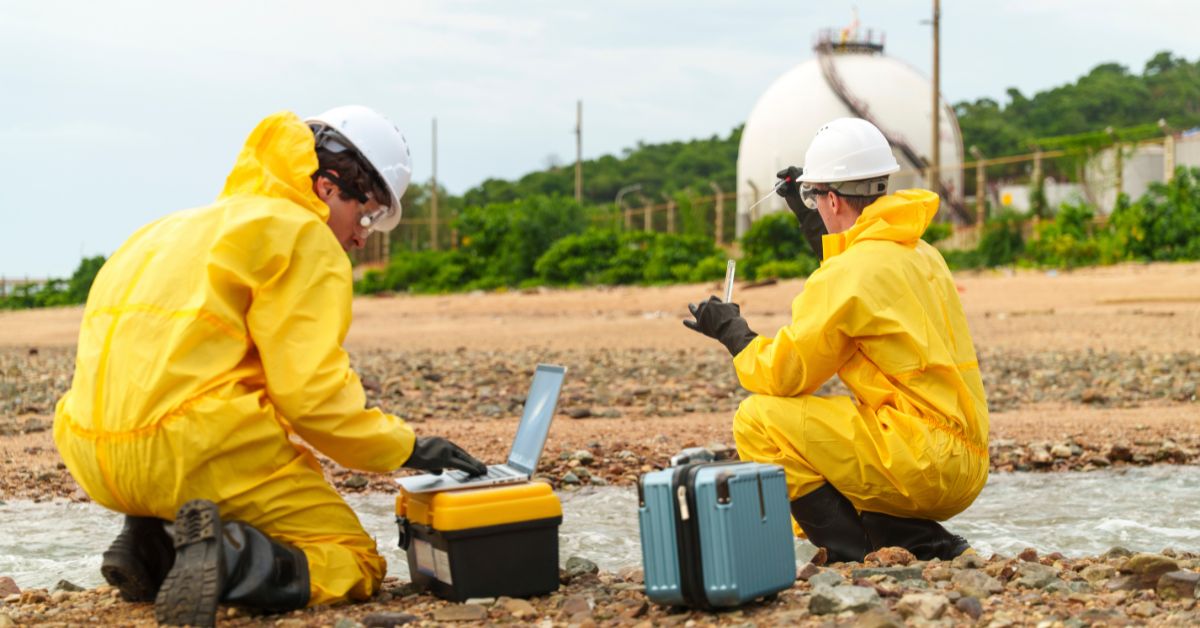
Environmental DNA (eDNA) sampling: A cutting-edge technique, eDNA involves collecting samples of water, soil, or air and analyzing them for tiny genetic traces shed by organisms (like skin cells, hair, or waste). It allows researchers to detect the presence of a species without ever seeing it. For example, by analyzing a water sample from a stream, scientists can tell if an endangered turtle or fish has been there, all without disturbing a single creature. eDNA is the ultimate low-disturbance survey. It’s literally just water or soil collection, but it can reveal a whole hidden world of species.
Observation from a distance: Sometimes the simplest method is using high-powered binoculars or spotting scopes to watch animals from far enough away that they aren’t aware of you. Techniques like setting up blinds (camouflaged observation posts) also let researchers remain unseen. This was a classic approach of wildlife biologists in the past and remains useful, though it often requires lots of patience and stillness. Modern technology like high-zoom cameras and thermal scopes have enhanced what we can observe from a distance.
What all these methods share is a philosophy of “observe, don’t interfere.” Low-disturbance monitoring aims to be a fly on the wall in the lives of wildlife. If done well, animals go about their natural routines, and we get high-quality data on how they behave, where they go, and how many of them are around.
It’s important to note that “low-disturbance” doesn’t mean zero disturbance in every situation. Any new element in an animal’s environment (be it a camera, a drone, or even a researcher quietly sitting 100 meters away) has the potential to be noticed. The key is that these approaches drastically reduce disturbance compared to traditional methods. For example, a well-planned drone survey might cause far less disturbance than sending a team of people traipsing through a nesting ground. And if an animal does notice a drone or camera, the encounter is brief and distant enough that stress is minimized. Additionally, careful protocols (like flying drones at times when target species are least active, or retrieving camera trap data infrequently) can further ensure minimal impact.
Benefits of Low-Impact Monitoring for Species at Risk
Adopting a low-disturbance approach to monitoring offers numerous benefits, not just for the wildlife, but for conservationists and policymakers who rely on accurate data. Here are some of the key advantages:
Less Stress on Vulnerable Wildlife: The foremost benefit is reducing stress and harm to endangered animals. Species at risk often exist in low numbers or have specific sensitivities; by not startling them or interfering in their lives, we avoid compounding the pressures they already face. A calm animal is more likely to feed, reproduce, and carry on with normal activities, all of which are critical for its survival. For example, keeping our distance means parent birds are far less likely to abandon nests or skip feedings for their young due to human disruption. In short, low-impact methods prioritize animal welfare, ensuring that monitoring itself isn’t another threat to a species’ survival.
More Accurate Data on Behavior and Numbers: When animals don’t know they’re being watched, we get a truer picture of their natural behavior. Low-disturbance monitoring yields higher quality data: animals feeding, migrating, calling, or socializing as they normally would. This helps scientists make more reliable estimates of population size and health. It also leads to discoveries that might be missed if animals are hiding or fleeing. Moreover, by avoiding techniques that alter wildlife behavior (like catch-and-release tagging), we prevent the data distortions that come from stressed animals moving differently or avoiding certain areas. In essence, non-invasive monitoring lets nature speak for itself, giving us confidence that our findings reflect reality on the ground.
Better Coverage and Frequency: Because low-disturbance tools like drones, camera traps, and acoustic sensors can often be deployed more easily (and with less red tape) than intensive field expeditions, it’s feasible to monitor more areas more frequently. For instance, instead of a once-a-year helicopter survey of a caribou herd, a conservation team could fly drones monthly. Or dozens of songbird habitats could be acoustically monitored simultaneously, rather than sending researchers to each site. Increased coverage means we can keep closer tabs on species at risk and catch changes (good or bad) sooner. Frequent, gentle monitoring is especially useful for detecting sudden declines or threats (like a new predator or disease outbreak) in time to respond.
Legal and Permit Compliance: As mentioned earlier, wildlife protection laws often mandate minimal disturbance. Using low-impact methods demonstrates responsible stewardship and helps satisfy permit requirements for research on protected species. Projects that use drones or remote sensors can often get approval where a more invasive approach might be denied by regulators. Being “permit-ready by design,” a principle Aerowildtech follows by using quiet flight profiles and wildlife-friendly protocols, means conservation work can proceed smoothly without legal hiccups. This not only avoids penalties but also builds trust with local communities and authorities that the monitoring is being done ethically.
Safety and Cost Efficiency: Low-disturbance can be safer and cheaper for humans too. Think about the logistics of traditional monitoring: trekking through bear country, tranquilizing large animals, or flying manned aircraft at low altitudes. These activities carry risks for field staff and can be very expensive (fuel costs, travel, equipment, etc.). In contrast, a drone can survey a landscape without putting a pilot or biologist in harm’s way. Camera traps quietly record data for weeks with just a couple of battery changes. Over time, these technologies can be more cost-effective than repeated manned expeditions, especially as equipment prices come down. Funds saved on expensive helicopter hours, for example, can be redirected to other conservation actions. Thus, low-disturbance methods often align with practical project management: doing more with less, all while keeping people and animals safe.
Public Support and Transparency: Showing the public that monitoring is being done in an animal-friendly way can bolster support for conservation programs. There is growing awareness and concern about the welfare of individual animals, not just species as a whole. By highlighting that we use humane, non-intrusive techniques, organizations can maintain a positive reputation and engage communities in citizen science (e.g. locals helping to deploy trail cams or report sightings). It’s a win-win: the public feels good about the process, and conservationists get more allies and eyes on the ground.
In summary, low-disturbance monitoring isn’t just a feel-good idea. It actively improves the outcome of conservation efforts. We get better information and we keep wildlife safer. For species on the edge of extinction, every bit of reduced stress and every extra data point can make a difference in crafting effective recovery plans.
Innovations Enabling Low-Disturbance Monitoring
Achieving truly low-impact monitoring has been greatly advanced by technology in recent years. Tools that were once the stuff of science fiction are now in the hands of researchers and companies like Aerowildtech, fundamentally changing how we study wildlife. Here are some innovations making it possible to monitor species at risk quietly and effectively:
Smarter, Quieter Drones: Today’s conservation drones are worlds apart from the noisy, whirring gadgets you might imagine. Researchers and engineers are actively developing drones with low-noise propellers, autonomous flight capabilities, and AI-powered detection of animals. For example, Aerowildtech has created drone platforms that can operate 24/7 with minimal wildlife disturbance, using thermal imaging at night and high-resolution cameras by day to spot animals from a safe altitude. These drones can automatically recognize certain species using onboard AI, meaning they spend less time hovering around (which further reduces disturbance). By flying precise paths and even programming “no-fly zones” around sensitive nesting areas, drones can be respectful observers. The result: detailed wildlife surveys that the animals never even notice. (To learn more, check out why Canada’s biodiversity needs better data and how technology can help, which discusses how tools like drones and data analytics are filling critical gaps in wildlife knowledge.)
Integrated Sensor Networks: Beyond drones, an exciting trend is combining multiple sensors for a fuller picture with minimal intrusion. Think of a protected forest that’s dotted with a network of hidden devices: some record sound, some capture images, others measure environmental data like temperature or moisture. Together, these IoT (Internet of Things) sensor networks quietly log what’s happening in the ecosystem. If a rare species of frog croaks, an acoustic sensor picks it up. If a wolf passes by, a camera trap snaps a photo. All this happens with no people tromping through the woods. Projects are now using such networks to monitor biodiversity in real time. In effect, the forest can “speak” through data, as we described in what happens when the forest talks back through data. This approach is especially valuable for fragile habitats like rainforests or wetlands, where human presence can do damage. The technology quietly keeps watch, and researchers can remotely check in on the data from afar.
AI and Big Data Analytics: One challenge of non-invasive monitoring is the sheer volume of data you can collect: thousands of photos, hours of audio, etc. Enter artificial intelligence. AI algorithms are now trained to sift through these mountains of information to identify species, count individuals, and even flag unusual behaviors. This means we don’t need biologists spending endless hours manually examining footage (a task that itself might introduce bias or error). For instance, Aerowildtech’s platform uses AI to automatically detect wildlife in thermal drone imagery and differentiate species by their heat signatures or movement patterns. By automating analysis, we can scale up monitoring dramatically without disturbing more animals. You could deploy 100 camera traps and let an AI alert you only when an endangered animal appears, reducing the need for humans to frequently visit each camera site. Machine learning is also helping predict where species at risk are likely to be, so drones and sensors can be focused in those areas, again reducing random searching that could cause disturbance. All of this makes monitoring more efficient and targeted, minimizing time spent near wildlife habitats while maximizing insight.
Community Science and Reporting Apps: Interestingly, some innovations are social rather than strictly high-tech. Citizen science platforms and apps allow hikers, birdwatchers, and local communities to contribute observations of species at risk without invasive methods. If trained to be wildlife-aware, these citizen observers can collect sightings (e.g., photos taken from a distance, or notes of animals seen crossing a road) that feed into databases. This crowd-sourced monitoring adds to the picture with virtually no disturbance. People are often just documenting what they see in passing. Moreover, locals often know where to find certain animals and how to watch them without intrusion, knowledge that is invaluable. Aerowildtech and similar organizations sometimes partner with Indigenous guardians and community groups, combining traditional knowledge with tech tools. This inclusive approach expands our monitoring reach ethically: more eyes on the ground, but all following guidelines to keep wildlife safe.
Together, these innovations paint an optimistic picture for the future of wildlife monitoring. We are moving from an era of heavy-handed methods to one of finesse and respect. Drones, sensors, AI, and community engagement are enabling us to gather richer data than ever before, all while letting animals remain wild and undisturbed. As one conservationist aptly put it, the challenge now is no longer if we need to act to save wildlife, but how quickly we can learn enough to act effectively. Low-disturbance monitoring accelerates that learning by giving us frequent, reliable insights into species’ lives without making things worse for them. It’s a cornerstone of modern conservation tech.
Conclusion: A New Standard for Conservation Monitoring
Low-disturbance monitoring is not just a technical approach. It represents a shift in mindset for conservation. The mantra is simple: we should not have to harm nature in order to study and save it. By reducing disturbance, we ensure that monitoring is part of the solution, not part of the problem. For species at risk, which are often teetering on the edge due to various human impacts, this gentle approach can make a world of difference. It helps scientists gather the truth of what’s happening in the wild, and it gives wildlife the space to carry on with life while we watch and learn.
In the end, conservation is about more than data and technology; it’s about enabling positive action. The insights gained from low-impact monitoring must inform protective measures, from crafting better wildlife management policies to guiding habitat restoration. We don’t collect data for data’s sake; we do it to intervene in time. As one of our earlier articles asked, are we watching nature die or learning how to protect it? With low-disturbance monitoring, we tilt the answer toward the latter. We’re learning how to protect nature proactively, not just witnessing its decline.
Aerowildtech is proud to be part of this new wave of conservation monitoring. By developing permit-ready, low-disturbance drone operations and analytics, we aim to give researchers and wildlife managers the tools they need to keep tabs on species at risk in the most wildlife-friendly way possible. The result is actionable, audit-worthy data that can drive conservation decisions, all gathered ethically and efficiently.
Ready to embrace low-disturbance monitoring for your conservation projects? Consider reaching out to Aerowildtech for a demonstration or consultation. Whether it’s using drones to survey sensitive nesting grounds or implementing a full suite of non-invasive sensors, our team can help design a monitoring program that respects wildlife and delivers the insights you need. By working together and leveraging these advanced, gentle techniques, we can better safeguard Canada’s incredible biodiversity and ensure that future monitoring of species at risk is as compassionate as it is comprehensive.